

The Official Reference Guide for You Have Arrived
This page serves as the digital companion to the 2nd Edition of You Have Arrived. To maintain the narrative flow and emotional integrity of the memoir, formal citations have been moved here. These sources provide the foundational data for the Roadmap to Empathy and the social reform advocacy found within the book.
Foundational Frameworks
The Science of Humanization: The psychological backbone of this book is built upon the work of Dr. LauraLynn Jansen. Her dissertation, "Moksa, Seeking a Humanizing Way of Being: I am Recognized. I am Acknowledged. I am Human," provides the definition of humanization as an affirmative process of inclusion.
The Empathy Quotient: Dr. Jansen’s research identifies empathy as a clinical necessity for workplace health, mentioning it 53 times as a prerequisite for "healthy risk-taking" in professional environments.
Preface: The Marketing of Optimism
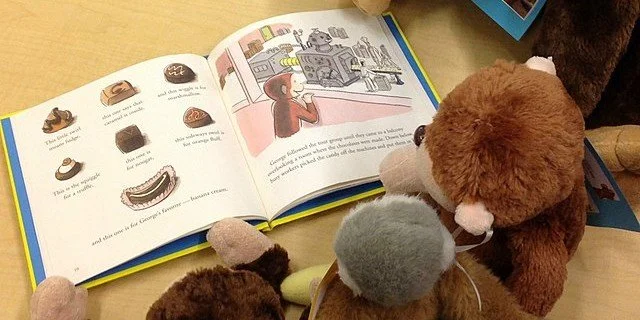
The Reys & Curious George: Historical details regarding Margret and Hans Rey’s escape from Nazi-occupied Paris in 1940 are based on the documented history of the Curious George series, which has sold over 25 million copies.
Marketing Psychology: The analysis of The Man with the Yellow Hat as a consistent caretaker is viewed through the lens of the Reys' background as advertising executives.
Chapter 1: The Shadow of Survival
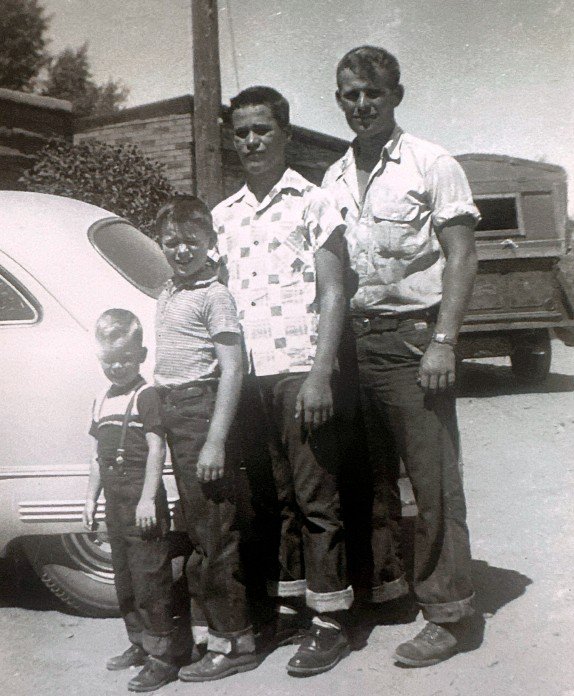
This chapter deconstructs the survivalist DNA we inherit from our ancestors. It is for anyone who feels like they are constantly "bracing for impact" without knowing why.
I share the 1949 preemie miracle of my father’s birth to show you that my obsession with fixing didn't start in a boardroom—it was a multi-generational branding campaign for resilience that eventually became too heavy to carry.
This is my confession of the ‘fixer’s trap.’ I share the red flags I colored green—the repossessed car, the unpacked boxes, the early signs of Elijah’s alcoholism—because I thought my love was a logistics solution. I wrote it to own the moment I chose a mission over my own safety.
This is for the Co-Dependent or the Caregiver who thinks they can edit someone else’s life into a masterpiece. It helps you recognize when you are using a relationship to avoid being alone with yourself.
Chapter 2: The Guy from Idaho

Chapter 3: Labor History & Workplace Safety
The Occupational Safety and Health Act of 1970 was signed into law by President Nixon. Data regarding the 400,000 Americans killed by work-related accidents in the 25 years prior to 1970 is attributed to Representative William A. Steiger.
Modern Workforce Statistics: * The average turnover rate across all industries currently stands at 47%. A 2022 Goldman Sachs survey found that 91% of small business owners struggle with the current economy's impact on their industries

Chapter 4: Our Happy Home (The Architecture of Addiction)
This chapter explores the slow leak of alcoholism in a family unit. It is for the High-Functioning Spouse who is working two jobs, raising children, and playing house while the foundation is rotting. It helps readers recognize that addiction isn't just about the substance; it’s about the cycle of deceit and the erosion of trust.
I shared this to expose the doormat phase of my life. I share the sensory details—the three-tone shag carpet, the ivy on the brick, and the hidden liquor bottles—to show how we try to decorate over the pain. By including Elijah’s own perspective from his 2023 email, we hope to provide a rare, 360-degree look at how addiction hijacks the Small, Quiet Voice of everyone involved.
Chapter 5: The Gift of the Nervous Breakdown

I wrote this chapter to honor Connie, the maternal figure who gave me permission to stop "fixing" and start "feeling." I share the intimate image of my newborn, Ethan, sleeping on Connie’s radiation-scarred chest because it represents the ultimate intersection of life and survival.
I share the "Gift" of the breakdown because, for a long time, I thought "arriving" meant never falling apart. Through Connie’s story, I realized that the crack is where the light gets in. I write this to tell you: You be you, boo. If your plate is too full, you have permission to set it down
Chapter 6: Radicalized by Basic Decency
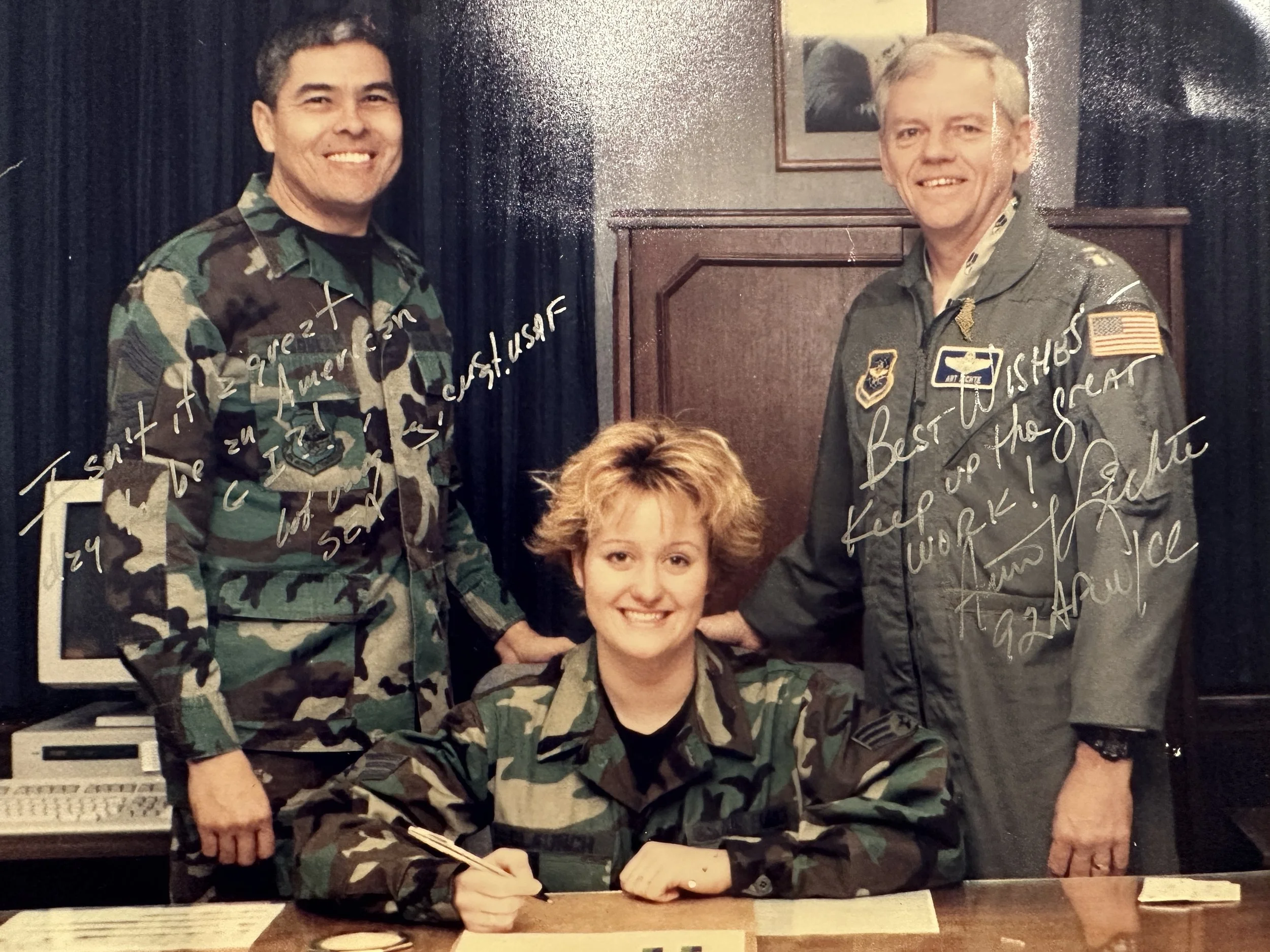
In this chapter, the narrative shifts from internal healing to external Accountability. It serves as a call to action for the Ethical Entrepreneur and the Corporate Citizen. By documenting the "Architecture of Impunity" and the wealth gap driven by deregulation, I provide a case study on how external political and socioeconomic stressors impact the internal health of our workforce and our communities.
Why I Wrote This: The Duty of the Truthteller
I wrote this to bear witness to the "Collective American Tragedy." As a USAF Veteran, I believe that service to one’s country doesn't end with a discharge—it evolves into a duty to protect the truth. I share these records of wrongs because empathy is a radical act in an era of polarization. I wrote this for my sons and for future generations, ensuring they know that their mother refused to be an obedient cog in the machine.
Who & How It Helps
For Corporate Leaders: It provides a framework for Ethical Navigation. In a world where pay-to-play environments are becoming the norm, this chapter helps leaders identify the moral emoluments clauses within their own organizations.
For the Overworked & Distracted: It offers a moment to press pause. It validates the stress of the mole-whacking rat race and encourages readers to question the paradigms that keep them from active civic engagement.
For the Disillusioned Citizen: It reframes radicalism as a return to Basic Decency. It helps readers find their own power of the pen by showing that documenting injustice is the first step toward dismantling it.
Chapter 7: Embraced at the Mount of Olives
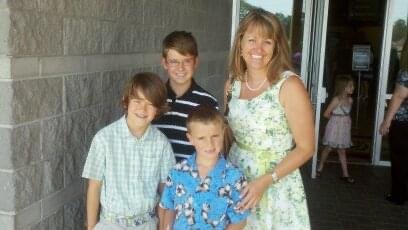
This chapter provides a profound look at Long-Term Strategic Planning amidst personal crisis. It is written for the Overworked Professional and Modern Mother who feels trapped by the American Grind. By detailing my journey I illustrate the power of Personal Rebranding. It helps readers understand that arriving often requires us to knock down the barriers of our old lives like a wrecking ball to build something more authentic and resilient.
I wrote this chapter to strip the shame away from the nervous breakdown and reframe it as a Necessary System Reset. As a veteran and a corporate executive, I speak directly to the 82% gender pay gap and the invisible labor that leaves most women medicated and disillusioned. I share my own vulnerability—from body image struggles to seeking unconventional help—to prove that Confidence is the ultimate leadership trait.
Chapter 8: Equillibrium

The Pivot: Engineering Your Phoenix Moment This chapter is a masterclass in strategic relocation and personal infrastructure. I share the calculated, semi-conscious escape plan that took me from a dissolving marriage to a marketing degree and a consulting career. It’s for the high-achieving professional feeling trapped in the American Grind, proving that dismantling unsustainable personal or professional structures isn't a crisis; it’s a necessary system reset required to build an authentic life.
Why It Matters & Who It Helps: I wrote this to destigmatize the nervous breakdown and reframe it as a leadership asset. This is essential reading for HR directors and CEOs who want to foster radical support for an undervalued workforce, as well as for professionals facing a career or life crossroads. It bridges the empathy gap by addressing the gendered disparity in rest and the high cost of "performing" success while internally collapsing. This chapter is your call to action to move past doormat metrics and embrace your potential—asking the only question that matters: "If not now, when?"

Chapter 9: My Roman Warrior
I wrote this chapter to be Radically Transparent about the messy, electrifying, and sometimes tragic nature of human connection. I wanted to show that even a wrecking ball with a marketing degree can be swirled by passion and midlife complexity. I shared the story of Jamie, the best part of a failed relationship, to prove that Human-Centric Care is never a waste of time. I wrote it to honor the Small, Quiet Voice that nudged me to keep writing, reminding readers that our intuition is the only compass that doesn't need a battery.
We haven’t even gotten to the good part yet!